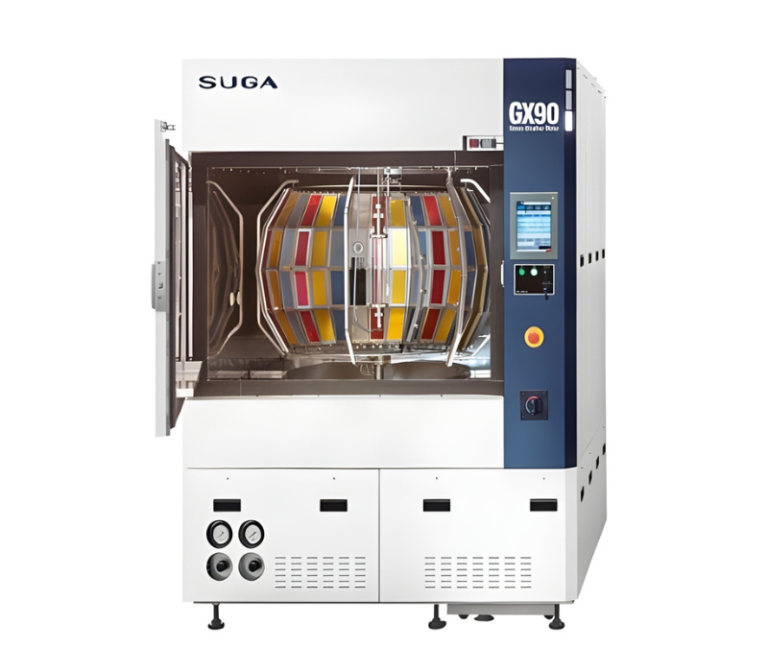





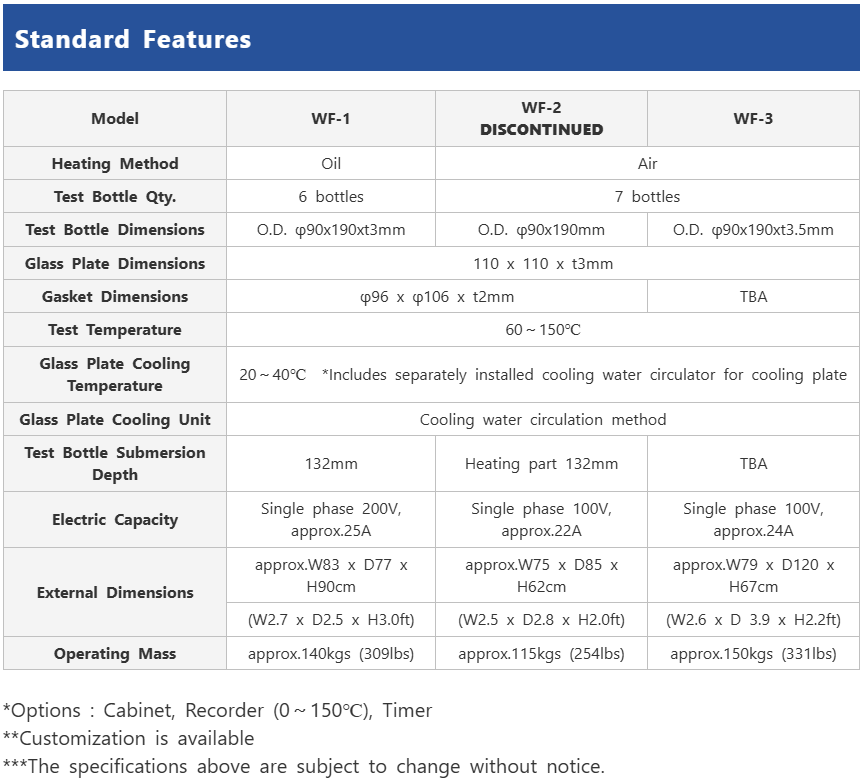
Testing the effects of volatile components in automotive interior materials.
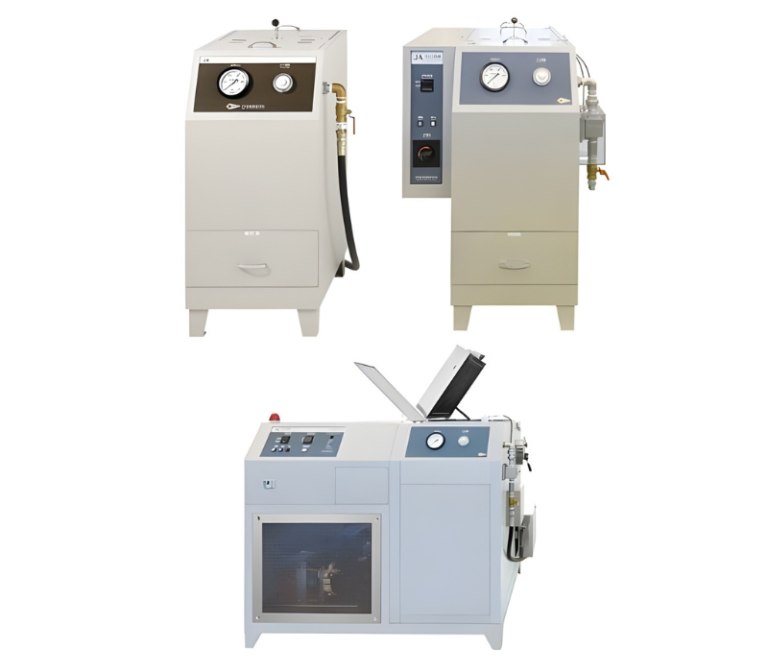
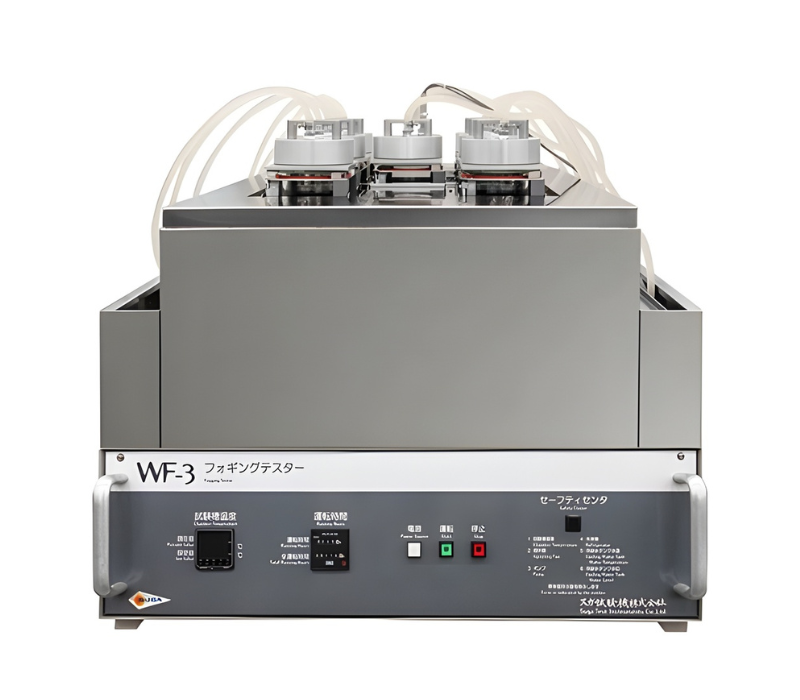
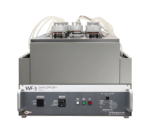
Volatile components generated by high heat in automobile interior materials (rubber, plastic, leather, and textiles) adhere to the inner surface of the windshield due to the temperature difference with the outside air, and promote and reproduce the phenomenon (fogging) that obstructs the view. The heating method for the test bin containing the specimen is oil-heated for the WF-1 model and the air-heated method for the WF-3 model.
Test standard : ISO 6452 (WF-1), ISO 6452: 2021 (WF-3), SAE J1756, ISO 17071
Fogging Testers to test the effects of volatile components in automobile and building interior materials.
Fogging Testers reproduce and accelerate the phenomenon (Fogging) in which volatile components generated from automobile interior materials (rubber, plastic, leather, textiles, etc.) and building interior materials adhere to the glass surface due to temperature differences and obstruct visibility.
- WF-1 is Oil Heating Type, which complies with ISO 6452
- WF-2 / WF-3 is Air Heating Type, reducing cleaning time, cost, and environmental impact.
- WF-3 complies with ISO 6452:2021
Accurate test temperature control.
The test temperature is accurate because the sensor is placed in the test bottle heating tank to control the temperature. As an option, a sensor can be placed at the position of the test specimen in the test bin to control the temperature.